Nourishing Yin
Cooling • Moistening • Restoring Balance
What Is Yin Deficiency?
In Traditional Chinese Medicine (TCM), Yin represents the body's cooling, moistening, nourishing, and restorative qualities.
Common TCM signs: Dry mouth or eyes, night sweats, feeling hot in the evening, restless sleep, thirst, warm palms and soles, and a red tongue with little coating.
🌿 Foods That Nourish Yin
Traditional Chinese dietary therapy emphasizes nourishing, moistening, and gently cooling foods. Some foods directly nourish Yin, while others support Blood, generate body fluids, or clear Heat.
Fruits & Berries
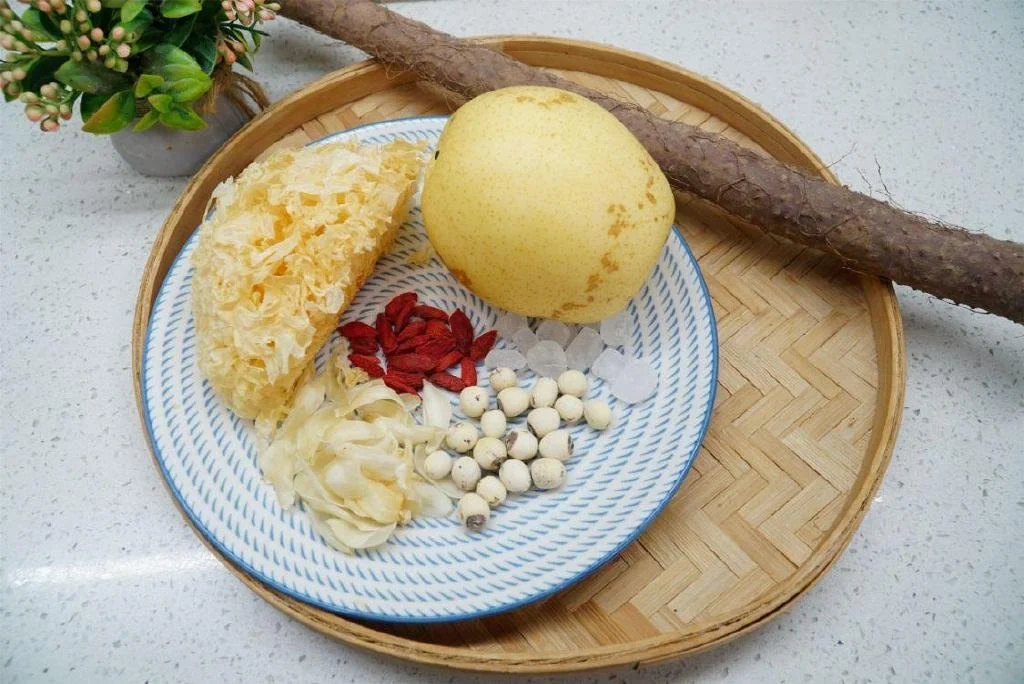
Goji berries (Gou Qi Zi) — Nourish Liver and Kidney Yin and Blood
Mulberries (Sang Shen) — Nourish Yin and Blood
Asian pears — Moisten dryness and generate fluids
Apples
Grapes
Blackberries
Blueberries
Strawberries
Raspberries
Watermelon
Honeydew melon
Cantaloupe
Persimmons
Bananas
Kiwi
Figs
Plums
Pomegranate
Grapefruit
Coconut
Root Vegetables & Tubers
Chinese yam (Shan Yao) — Supports Spleen Qi and Lung and Kidney Yin
Lotus root — Supports fluids and, traditionally, Blood
Sweet potatoes — Nourish and support Spleen Qi
Beets — Traditionally associated with nourishing Blood
Carrots
Parsnips
Potatoes
Taro root
Turnips
Water chestnuts
Daikon radish
Vegetables & Leafy Greens
Asparagus
Spinach
Bok choy
Napa cabbage
Chinese cabbage
Swiss chard
Collard greens
Kale
Watercress
Cucumber
Zucchini
Summer squash
Winter melon
Tomatoes
Celery
Lettuce
Eggplant
Green beans
Bean sprouts
Bamboo shoots
Bitter melon
Grains, Beans & Legumes
Black soybeans — Traditionally support Kidney nourishment
Black beans — Support Yin and Blood in some dietary traditions
Soybeans and tofu — Nourishing and moistening
Mung beans — Clear Heat and support fluids
White rice
Brown rice
Glutinous rice
Wheat
Barley
Millet
Oats
Quinoa
Buckwheat
Kidney beans
Adzuki beans
Lentils
Chickpeas
Soy milk
Nuts & Seeds
Black sesame seeds — Classic Liver and Kidney Yin and Blood nourishment
White sesame seeds
Flaxseeds
Hemp seeds
Pumpkin seeds
Pine nuts
Almonds
Walnuts (warming; use according to individual pattern)
Chia seeds
Animal Proteins & Seafood
Duck — Traditionally nourishing and cooling
Lean pork — Nourishes Yin and supports fluids
Eggs — Nourishing, including for Yin and Blood
Oysters
Clams
Scallops
Mussels
White fish (cod, sole, sea bass)
Salmon
Sardines
Sea cucumber
Goose
Mushrooms, Sea Vegetables & Specialty Foods
Tremella (snow fungus) — Traditionally moistens dryness
Lily bulb (Bai He) — Nourishes Lung Yin
Lotus seeds (Lian Zi) — Support Spleen and Kidney nourishment
Wood ear mushrooms (black fungus)
Shiitake mushrooms
Button mushrooms
Kelp
Wakame
Nori seaweed
Kombu
Agar-agar
Moistening Foods & Beverages
Pear compote or stewed pears
Tremella and pear soup
Lily bulb soup
Rice congee
Black sesame paste
Silken tofu soup
Vegetable broths
Light fish or pork broths
Warm soy milk
Milk or plain yogurt, if tolerated
Honey in moderation
Coconut water
Warm water
Goji berry infusion (medication precautions apply)
Foods & Habits to Limit
Particularly when Yin Deficiency is accompanied by Deficiency Heat, dryness, or night sweats.
Excessively Heating or Spicy Foods
Hot peppers, cayenne, and chili oil
Very spicy curries
Excessive garlic
Large amounts of ginger, especially dried ginger
Excessive cinnamon
Black pepper in large quantities
Wasabi and horseradish
Very spicy mustard
Frequent large portions of lamb or other strongly warming meats
Drying or Overly Stimulating Foods
Alcohol
Excessive coffee
Energy drinks
Excessively strong caffeinated tea
Deep-fried foods
Heavily charred or grilled foods
Very salty processed snacks
Dry, heavily processed snack foods
Eating Habits to Limit
Frequently skipping meals
Excessive fasting or restrictive dieting
Regularly eating highly spicy meals
Replacing balanced meals with dry snacks
Consuming large amounts of iced or raw foods when digestion is weak
Simple Yin-Nourishing Meal Ideas
Breakfast
Rice congee with goji berries, pear, and black sesame
Oatmeal with mulberries, blueberries, and flaxseed
Stewed Asian pears with warm oats
Scrambled eggs with spinach and rice
Lunch
Tofu, bok choy, and brown rice bowl
Mung bean and vegetable soup
Lotus root and mushroom soup
Salmon with steamed asparagus and rice
Chinese yam and vegetable soup
Dinner
Steamed white fish with spinach and rice
Duck and vegetable soup
Silken tofu soup with mushrooms and leafy greens
Lean pork with lotus root and Chinese cabbage
Baked salmon with beets and steamed greens
Snacks
Fresh pear, grapes, or berries
Goji berries with a small portion of nuts or seeds
Black sesame pudding
Sliced cucumber with hummus
Stewed apples or pears
Plain yogurt with mulberries, if tolerated
Everyday Tips for Nourishing Yin
Eat regular, balanced meals.
Include soups, congee, and other moisture-rich foods.
Incorporate a variety of fruits, vegetables, proteins, and healthy fats.
Favor steaming, simmering, poaching, and gentle cooking methods.
Stay adequately hydrated.
Prioritize restorative sleep and adequate rest.
Adjust warming and cooling foods to your individual TCM pattern and digestive tolerance.
Desert Shen Acupuncture — Food as Medicine
These recommendations reflect traditional Chinese dietary principles and are intended for general education. Foods traditionally described as nourishing Yin have not necessarily been demonstrated to treat medical conditions. Individual dietary needs vary. People with kidney disease, diabetes, food allergies, medication interactions, or prescribed dietary restrictions should seek individualized guidance. Goji berries, particularly concentrated preparations, may interact with warfarin.